
7-tägige Tokio-Reiseroute
Goldene Route
Tokio (Narita) — Ōsaka
Erkunden Sie die Höhepunkte von Tokio nach Osaka auf einem 7-tägigen Abenteuer mit Stopps in Saiko Iyashi-no-Sato, der Narusawa-Eishöhle und Fushimi Inari Taisha. Erleben Sie Japans Kultur und Natur, darunter Campingplätze, Parkplätze für Wohnmobile und berühmte Orte wie den Nara Deer Park und Dotonbori.
Auf Karten ansehenTag 1
Beginnen Sie in unserem Büro in Narita. Etwa 25-30 Minuten vom Flughafen Narita entfernt.
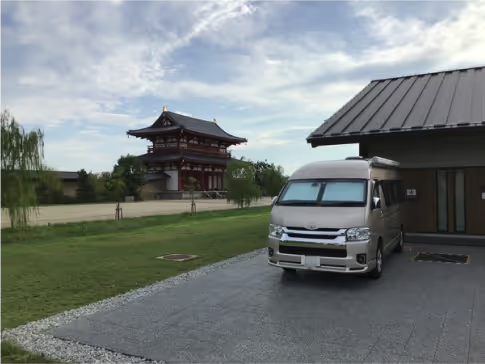
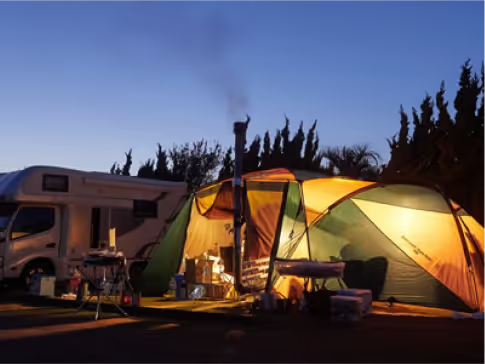
Wenn Sie spät in unserem Büro ankommen und zu müde für eine Fahrt sind, empfehlen wir Ihnen einen Autocampingplatz in der Nähe oder andere.
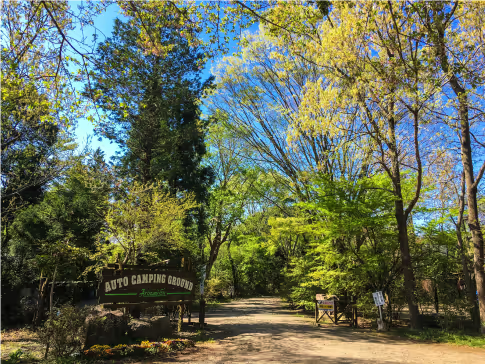
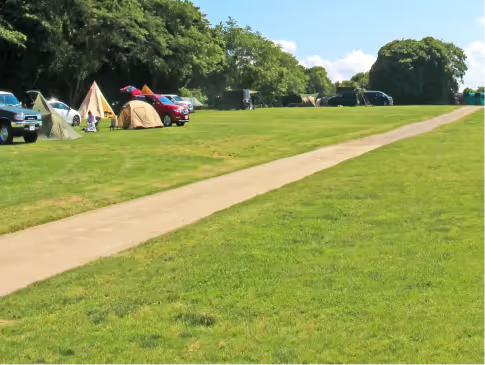
oder Sie können an diesen Roadside Stations Michinoeki parken und übernachten, die über einen kostenlosen Parkplatz verfügen und rund um die Uhr geöffnet sind.
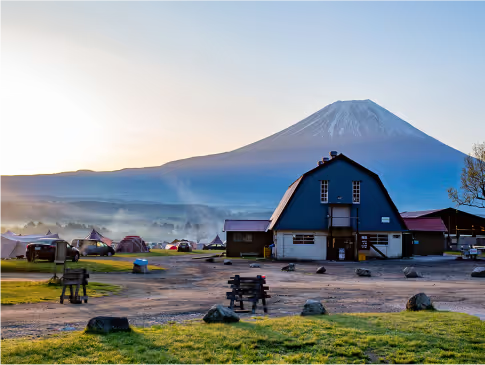
Fumotoppara Campingplatz ↗
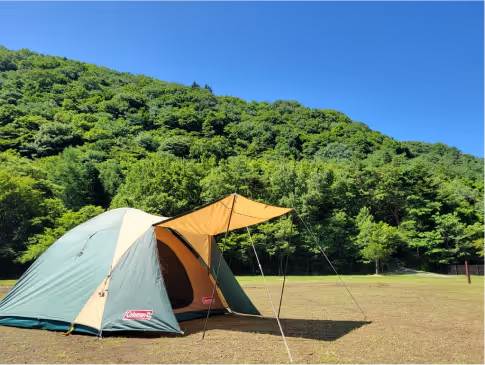
PICA Fujisaiko Campingplatz ↗
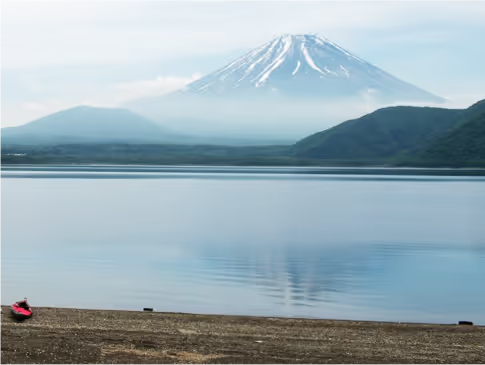
KOUAN Campingplatz ↗
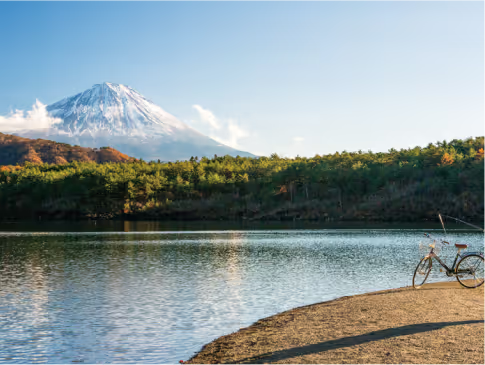
Narusawa Pannenstation ↗
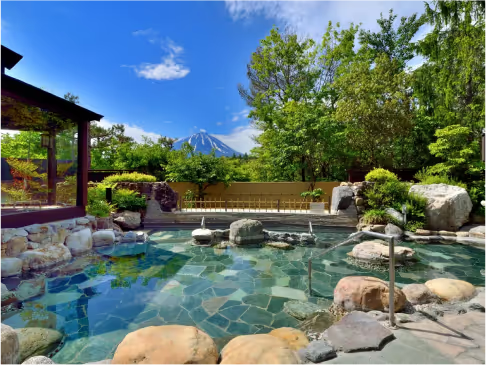
Heiße Quelle Fuji Yurari ↗
Wenn Sie früh anreisen und die Reise sofort beginnen möchten, fahren Sie direkt zum Berg. Fuji. Etwa 4-5 Autostunden vom Büro in Narita entfernt, abhängig vom Verkehr und der Straße, die Sie nehmen werden. Sie können wählen, ob Sie die lokale Straße oder die Schnellstraße nehmen möchten. Sie können große Städte wie Tokio durchqueren, wenn Sie die lokale Straße wählen. Rund um den Berg gibt es viel zu sehen und zu tun. Fuji-Gebiet. Um das Beste daraus zu machen, empfehlen wir Ihnen, mindestens 2 Tage zu bleiben.
Tag 2
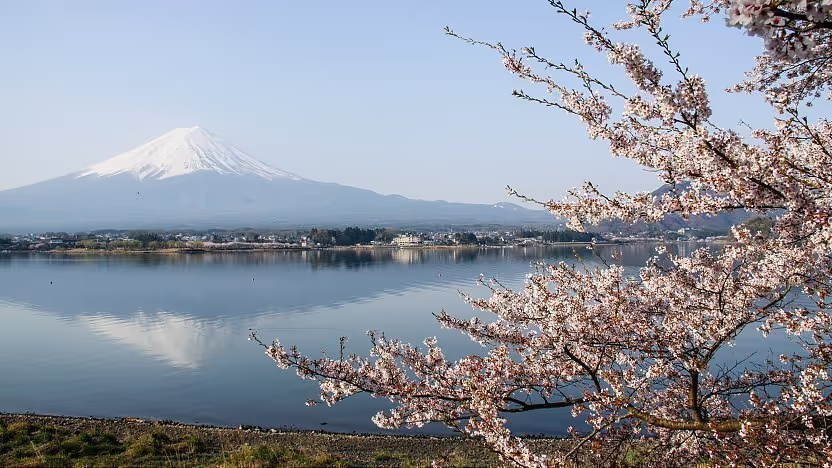
There are a lot of things to do and see around Mt. Fuji area. Fujigoko is known as a lake resort area, where hiking, camping, fishing and snow sports are among the popular outdoor activities that can be enjoyed. There are also plenty of hot springs and museums found in the area. The famous Fujigoko consists of 5 lakes which are Lake Kawaguchiko, Lake Saiko, Lake Yamanakako, Lake Shojiko and Lake Motosuko. The most accessible is Lake Kawaguchiko. The best views of Mount Fuji can be enjoyed from the lake's northern shores and are particularly breathtaking during the cherry blossom season around mid-April and the autumn colors around the first half of November.
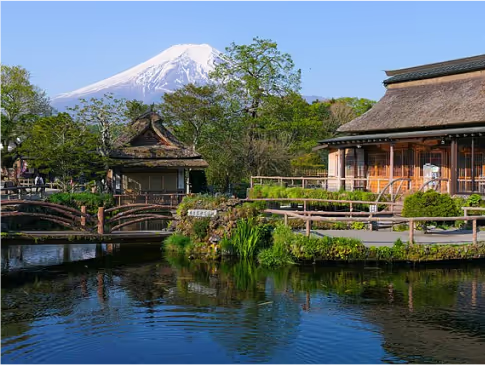
You may also want to visit Oshino Hakkai, it is a touristy set of eight ponds in Oshino, a small village in the Fuji Fike Lake region, located between Lake Kawaguchiko and Lake Yamanakako.
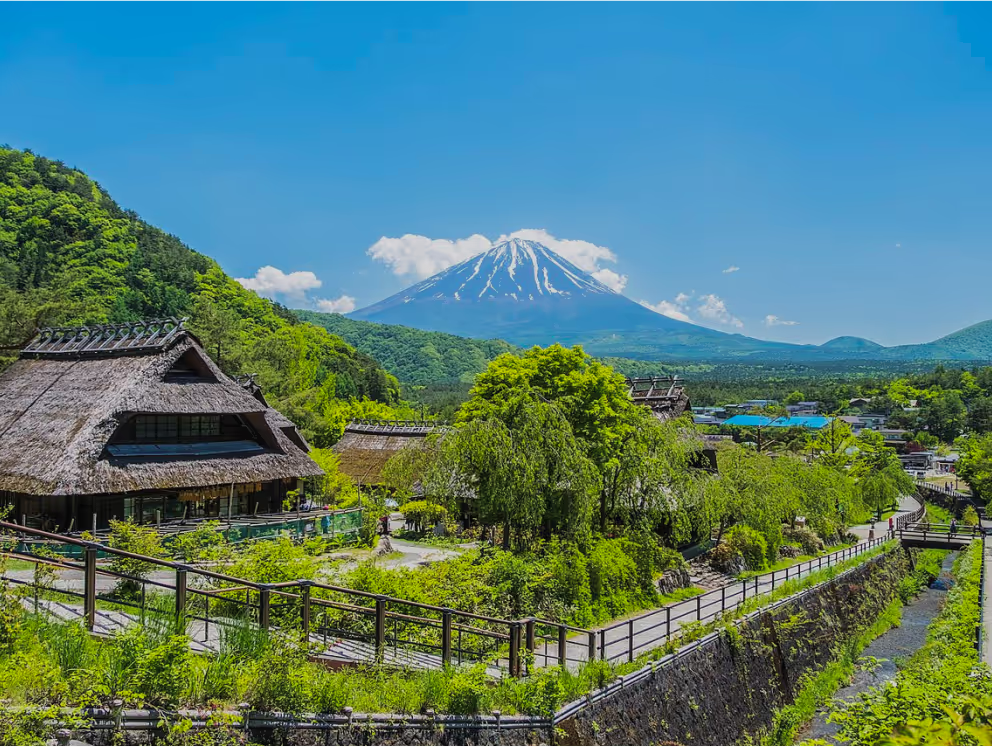
After visiting the lakes, you can head to Saiko Iyashi-no-Sato Nenba (Traditional Japanese Village). It is also known as the “Healing Village” This village was reconstructed after it was damaged by a typhoon. Now, it consists of Japanese souvenirs shops, some are handmade. If you’re looking for more Japanese souvenir this is the place to go.
You may also want to visit Oshino Hakkai, it is a touristy set of eight ponds in Oshino, a small village in the Fuji Fike Lake region, located between Lake Kawaguchiko and Lake Yamanakako.
After visiting the lakes, you can head to Saiko Iyashi-no-Sato Nenba (Traditional Japanese Village). It is also known as the “Healing Village” This village was reconstructed after it was damaged by a typhoon. Now, it consists of Japanese souvenirs shops, some are handmade. If you’re looking for more Japanese souvenir this is the place to go.
Tag 3
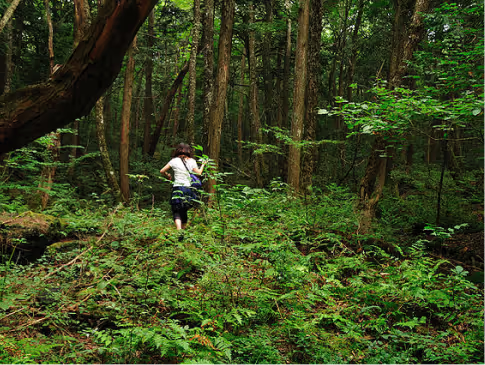
After exploring the bodies of water around Mt.Fuji, it’s time to explore the Aokigahara Forest or most commonly known as ‘Suicide Forest’. If you already did some research about Japan before coming or have been watching some documentary stories, you might already be familiar with this forest.
Entering the forest is akin to entering a fantasy world. There are clear paths that lead you through a comfortable hike but the surrounding trees and plant life are covered in moss and all of the roots intertwine with each other to create a fairytale aura with a ghostly twist. Walking further into the forests will entice you with crossroads. Usually, only one of the ongoing paths is left open for hikers and the other is taped off with an off-limits sign.
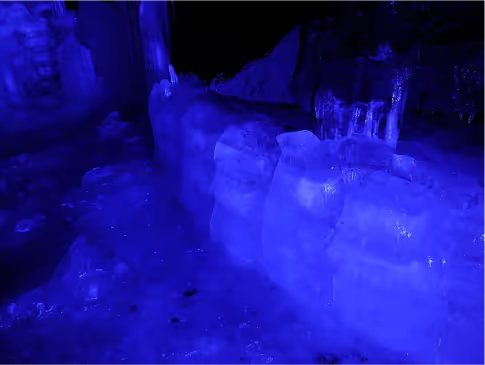
If you think ‘SUICIDE FOREST’ is not a good option, you may want to skip it and just make your way to 2 of the most famous caves in Japan. Both Narusawa Ice cave and Fugaku Wind cave are an easy trail.
Entering the forest is akin to entering a fantasy world. There are clear paths that lead you through a comfortable hike but the surrounding trees and plant life are covered in moss and all of the roots intertwine with each other to create a fairytale aura with a ghostly twist. Walking further into the forests will entice you with crossroads. Usually, only one of the ongoing paths is left open for hikers and the other is taped off with an off-limits sign.
If you think ‘SUICIDE FOREST’ is not a good option, you may want to skip it and just make your way to 2 of the most famous caves in Japan. Both Narusawa Ice cave and Fugaku Wind cave are an easy trail.
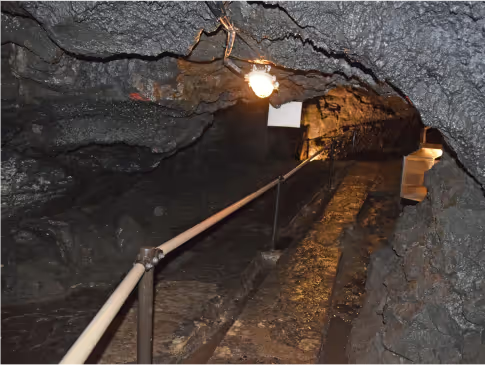
Nach einem anstrengenden Tag können Sie sich für einen Aufenthalt auf unseren empfohlenen Campingplätzen, heißen Quellen oder Straßenbahnhöfen entscheiden.
Tag 4
On your way to your next destination which is Nara, we have listed some stops where you can take a short break and relax. Kariya Oasis Highway service area is one of the most recommended service areas on your way to Osaka. The service area has a restaurant, shopping mall, a mini carnival and a relaxing Onsen.
If you are a fan of Ninjas, you may want to make a short stop at Iga-ryu Ninjas house. It offers a Ninja show and a Ninjas experience where you can wear Ninjas clothes. They also have souvenirs which you cannot buy anywhere else.
Not so far from the Iga-Ryu Ninja House is the Nara Deer Park. Considered the messengers of the Gods, Nara's over 1000 deer have become a symbol of the city and have even been designated as a natural treasure. Deer crackers are available around the park. Deer’s are surprisingly tame but they can aggressive at some point if they know that you’re teasing them with food.
If you are a fan of Ninjas, you may want to make a short stop at Iga-ryu Ninjas house. It offers a Ninja show and a Ninjas experience where you can wear Ninjas clothes. They also have souvenirs which you cannot buy anywhere else.
Not so far from the Iga-Ryu Ninja House is the Nara Deer Park. Considered the messengers of the Gods, Nara's over 1000 deer have become a symbol of the city and have even been designated as a natural treasure. Deer crackers are available around the park. Deer’s are surprisingly tame but they can aggressive at some point if they know that you’re teasing them with food.
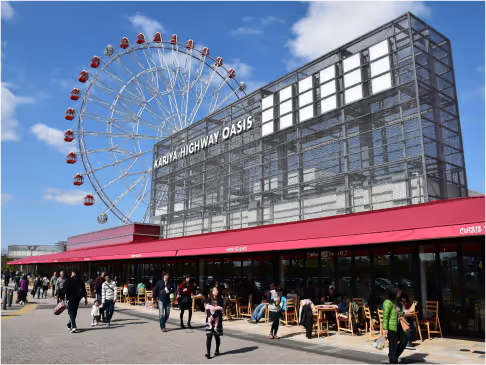
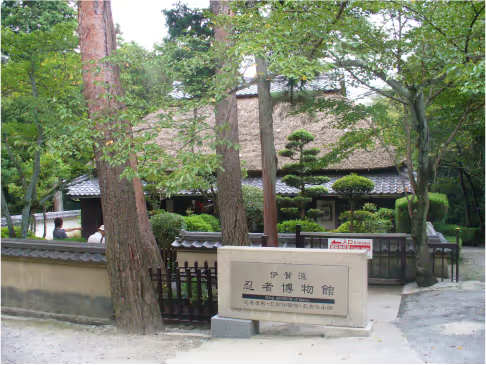
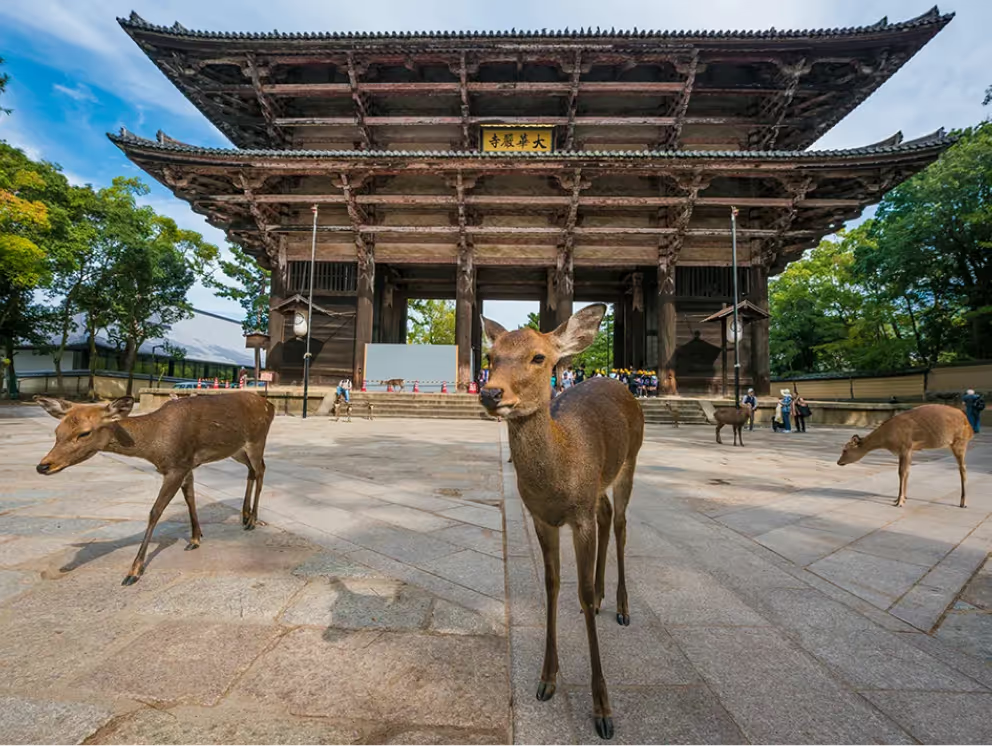
In der Umgebung von Nara gibt es nur wenige Attraktionen, die Sie besuchen können. Es umfasst Todaiji, Kasuga Taisha, Kofukuji und das Nara-Nationalmuseum.
Tag 5
Kyoto was the capital of Japan for over a thousand years. It is famous its cultural heritage, including 17 UNESCO World Heritage Sites, such as the Kyoto Imperial Palace, Nijo Castle, and Kinkaku-ji. It is also known for its festivals, cuisine, crafts, and geisha district.
Among the places you may not want to miss while in Kyoto are Fushimi Inari Taisha, Kiyomizu-dera temple, Arashiyama Bamboo Forest and Kamo River during the Sakura season.
The Fushimi Inari Taisha is a must visit place for a lot of people. It is an important Shinto shrine in southern Kyoto. Famous for its thousands of vermilion torii gates.
The Kiyomizu-dera temple which literally means ‘Pure Water Temple’ is one of the most beautiful and celebrated temples in Japan. The temple is best known for its wooden stage where people can see the nice view after praying in the temple. Please bear in mind that the temple is a very sacred place where visitors offer prayers to Kannon for more than 1200 years. There are a lot of things that are prohibited inside the temple. Please make sure to follow the rules to show some respect.
Immerse yourself in a tunnel of green with a stroll through Kyoto's bamboo forest. The Arashiyama Bamboo Grove is one of Kyoto's most iconic sights, and a walk through it will be one of your most lasting impressions of this city. The riverbanks of Kamo River are popular walking spots for residents and tourists. There are also many residents and tourists who just casually go to Kamo River for picnics.
Among the places you may not want to miss while in Kyoto are Fushimi Inari Taisha, Kiyomizu-dera temple, Arashiyama Bamboo Forest and Kamo River during the Sakura season.
The Fushimi Inari Taisha is a must visit place for a lot of people. It is an important Shinto shrine in southern Kyoto. Famous for its thousands of vermilion torii gates.
The Kiyomizu-dera temple which literally means ‘Pure Water Temple’ is one of the most beautiful and celebrated temples in Japan. The temple is best known for its wooden stage where people can see the nice view after praying in the temple. Please bear in mind that the temple is a very sacred place where visitors offer prayers to Kannon for more than 1200 years. There are a lot of things that are prohibited inside the temple. Please make sure to follow the rules to show some respect.
Immerse yourself in a tunnel of green with a stroll through Kyoto's bamboo forest. The Arashiyama Bamboo Grove is one of Kyoto's most iconic sights, and a walk through it will be one of your most lasting impressions of this city. The riverbanks of Kamo River are popular walking spots for residents and tourists. There are also many residents and tourists who just casually go to Kamo River for picnics.
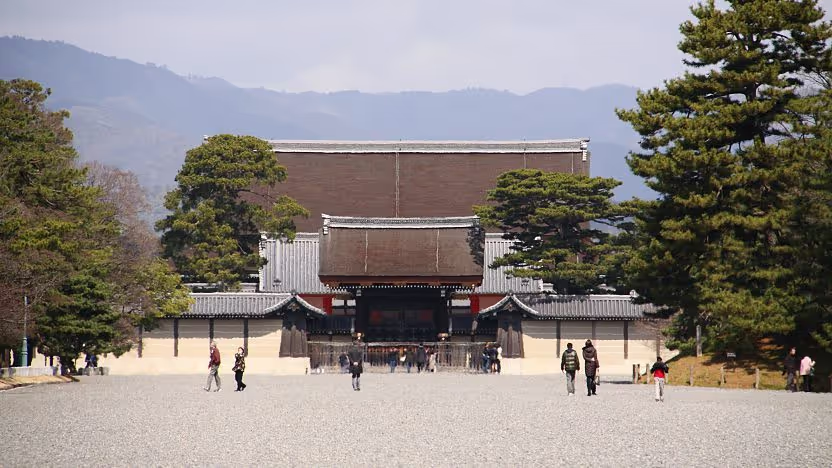
Kaiserpalast Kyōto
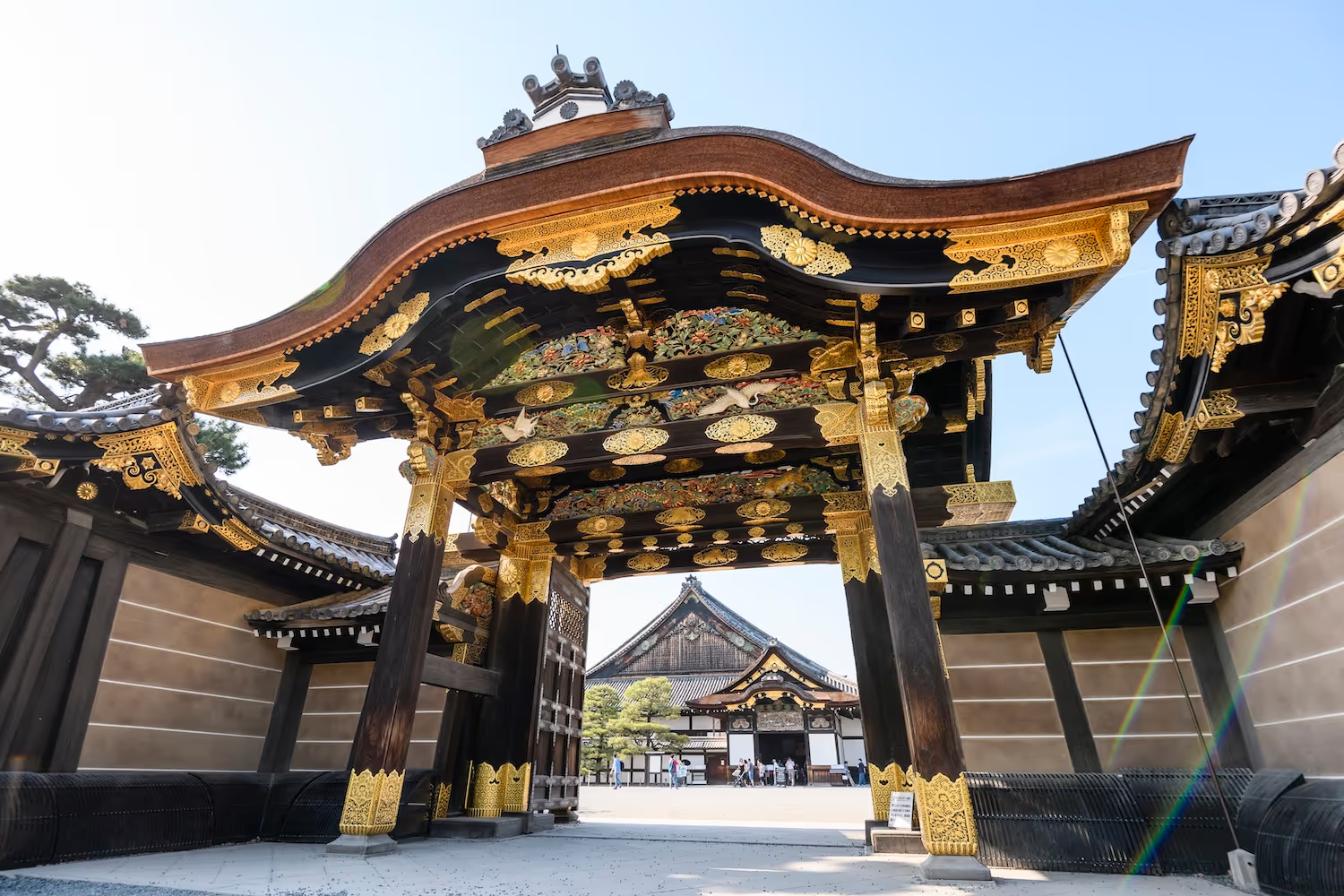
Schloss Nijo ↗
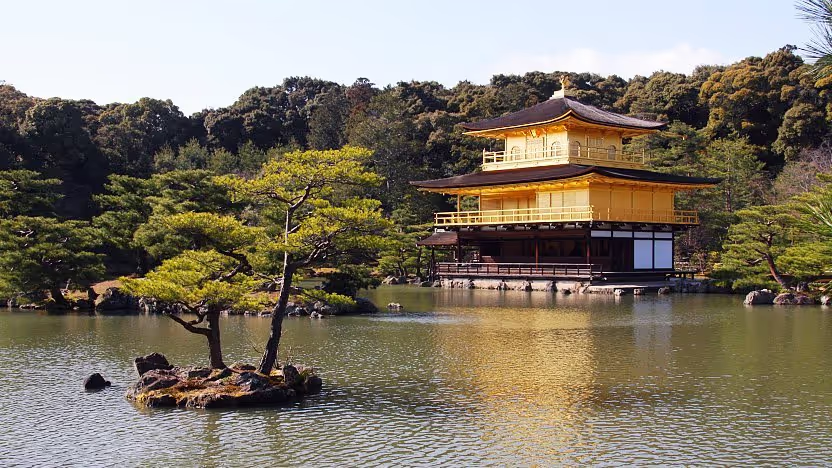
Kinkakuji ↗
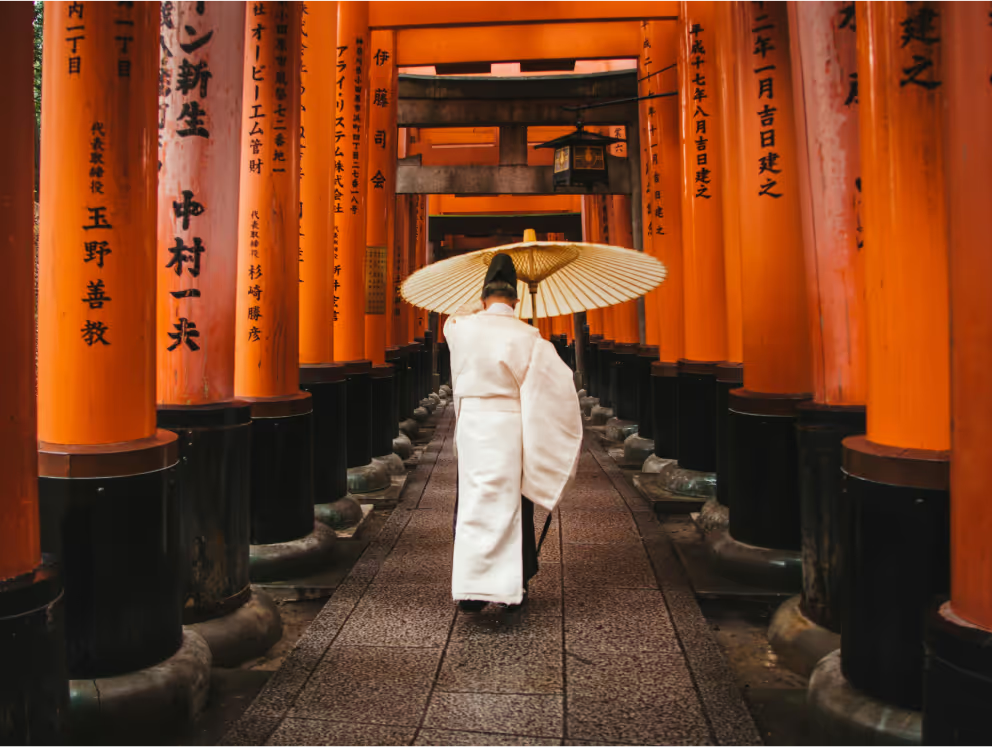
Fushimi Inari Taisha ↗
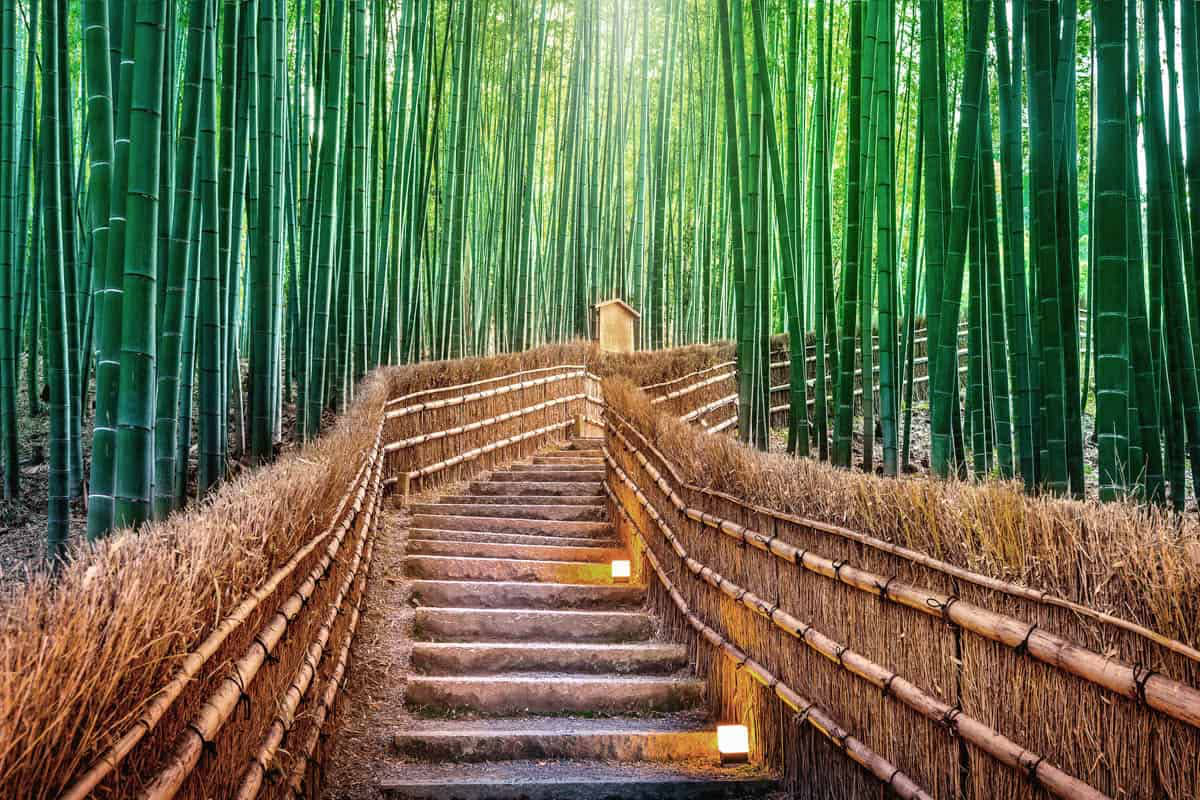
Arashiyama Bambuswald ↗
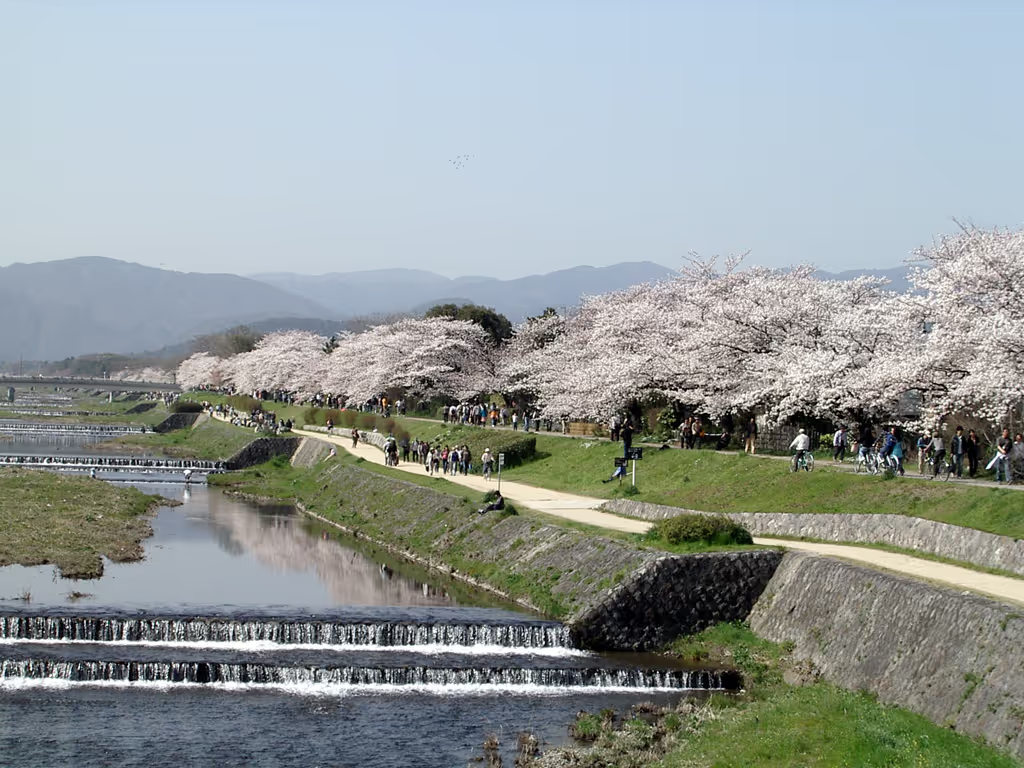
Fluss Kamo
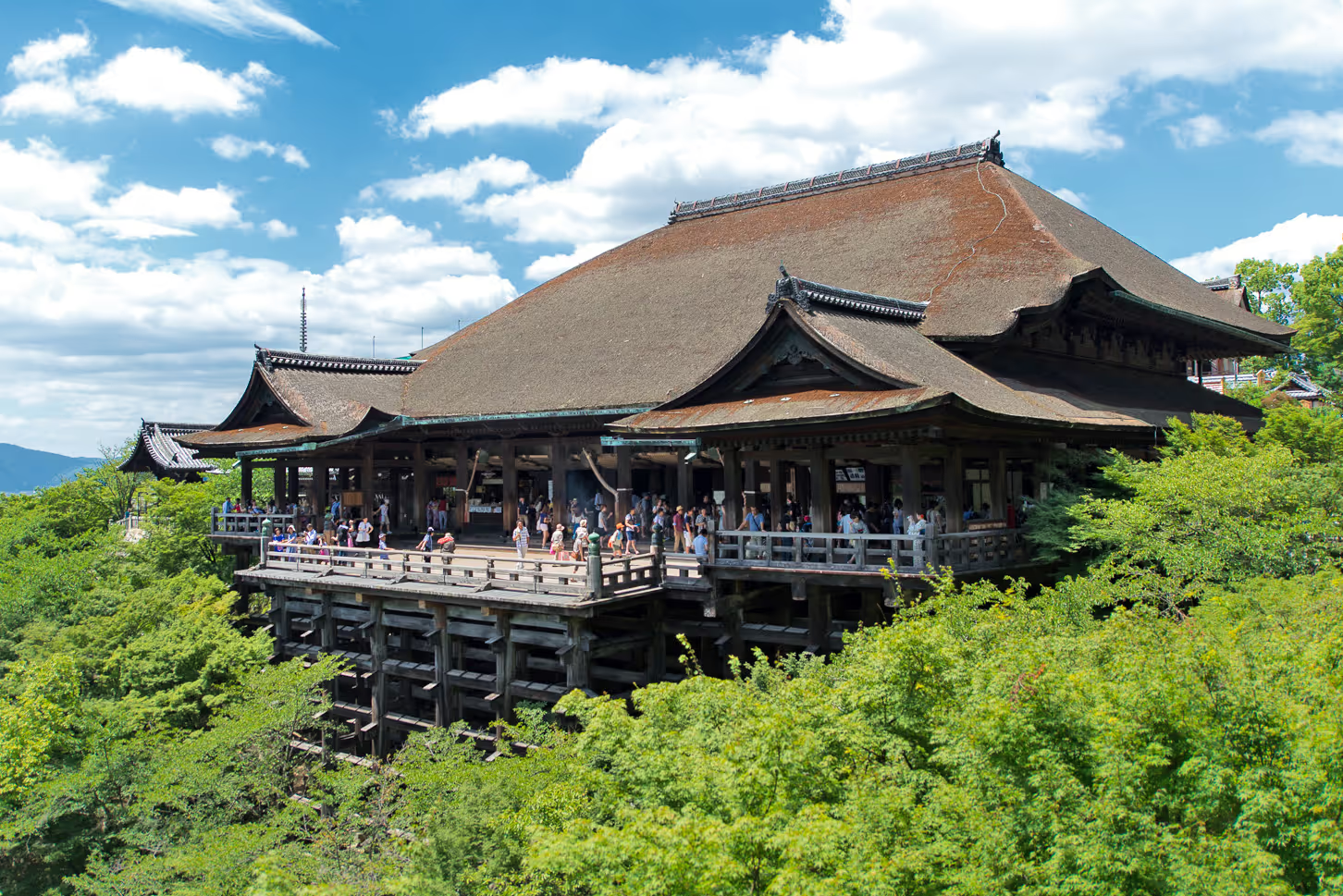
Kiyomizu-dera-Tempel ↗
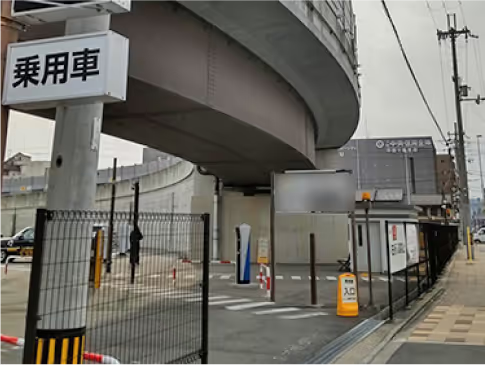
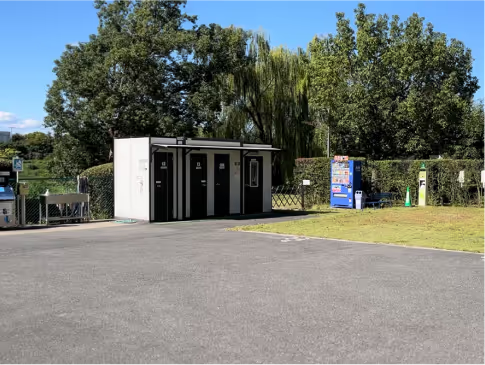
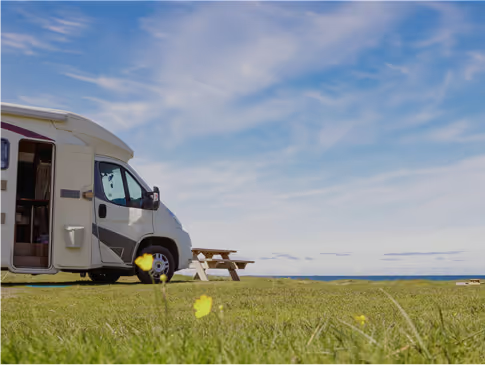
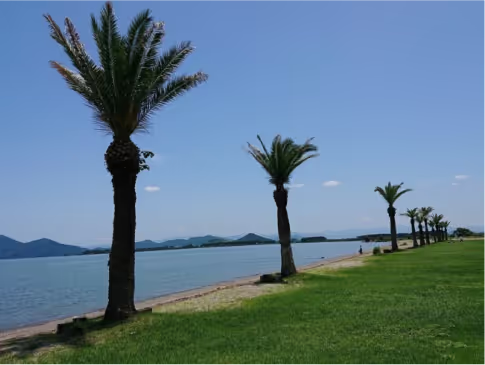
Es gibt auch nahe gelegene Parkplätze und Campingplätze in der Umgebung. Hier sind einige Empfehlungen.
Tag 6
Für Ihren letzten vollen Tag fahren Sie nach Osaka. Osaka ist nach Tokio Japans zweitgrößte Metropolregion. Es gilt als Japans Streetfood-Hauptstadt. Einige der Gerichte, die Sie in Osaka vielleicht nicht verpassen sollten, sind Takoyaki, Okonomiyaki, Kushikatsu, Königskrabbe, Wanomiya Kobe-Rindfleisch, Gyoza, Melonenpfannen und viele mehr.
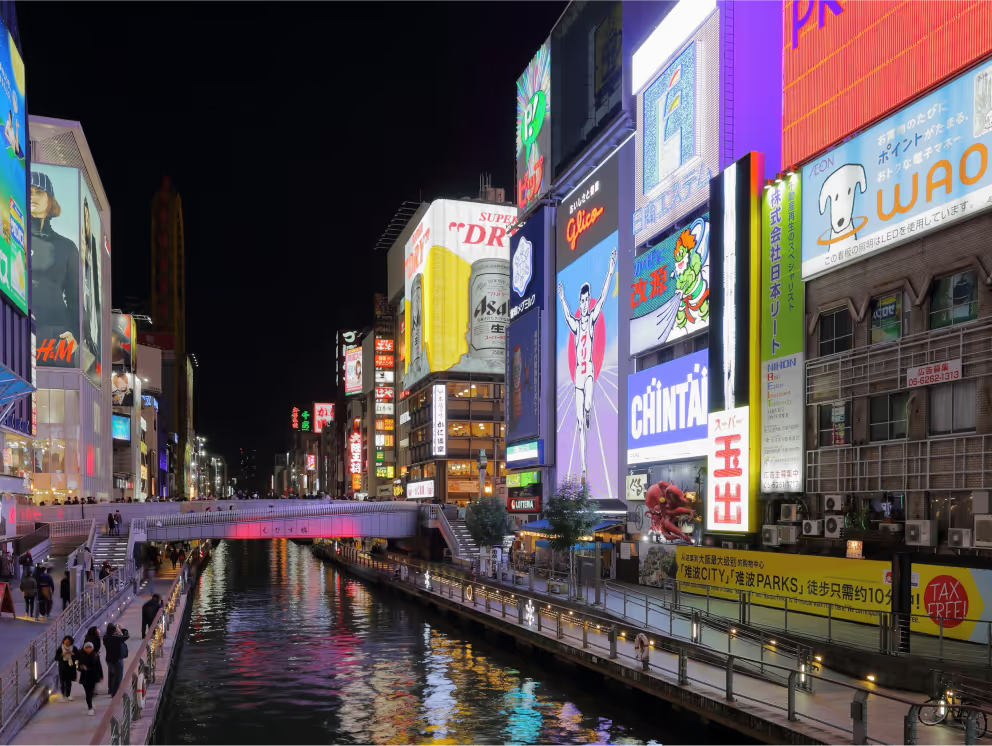
Dotonbori besteht nicht nur aus Imbissständen, es gibt auch viele Geschäfte, in denen Sie einzigartige Kleidung, Souvenirs und sogar Gepäck einkaufen können!
Dotonbori ist ein sehr überfüllter Ort, das Parken Ihres Fahrzeugs an einem anderen Ort ist ein Muss.
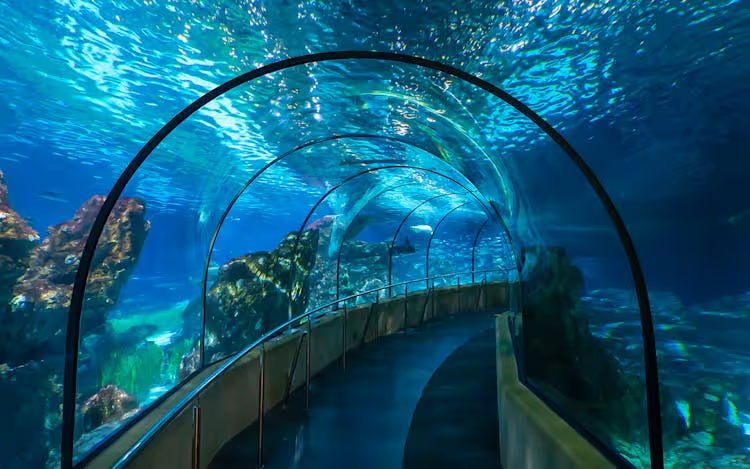
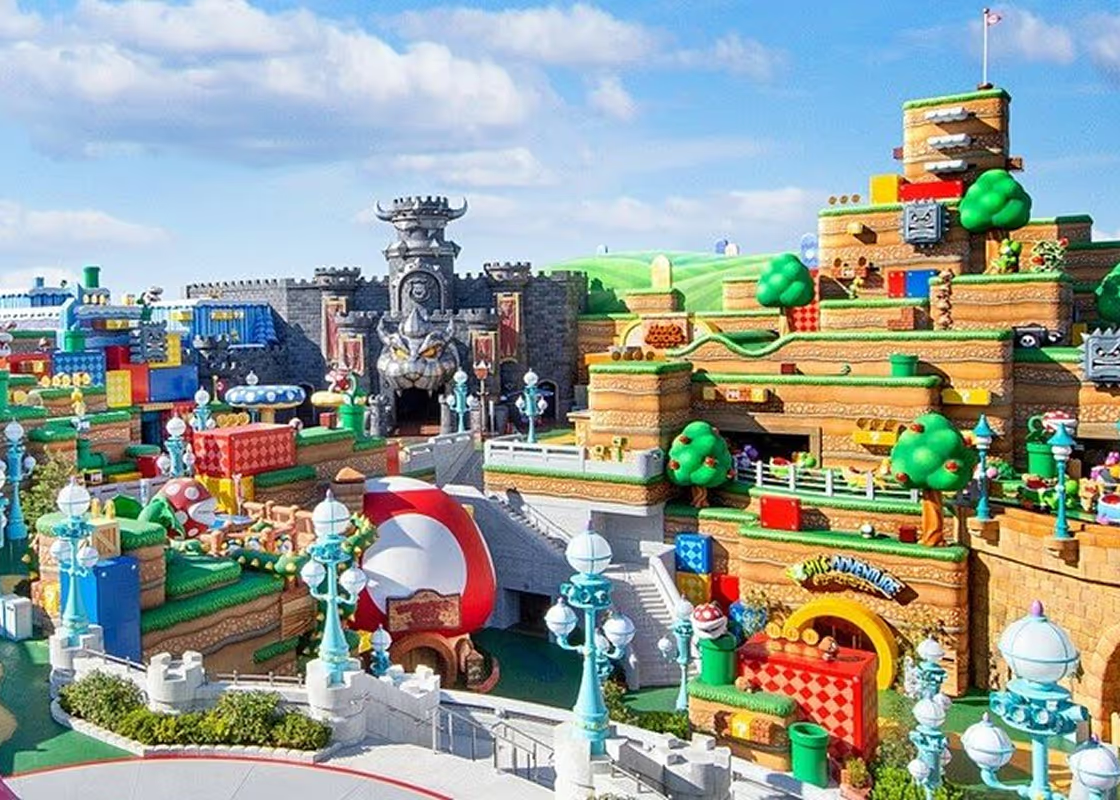
Osaka hat noch viel mehr zu bieten als nur Dotonbori. Tagsüber können Sie Osaka erkunden. Sie können das Osaka Aquarium und die Universal Studios besuchen, wenn Sie noch ein Kind sind. Abeno Harukas, der Minoo Park, das Umeda Sky Building, der Kuromon-Markt und die Mozu-Gräber sind nur einige Orte, die Sie in Osaka besuchen können.
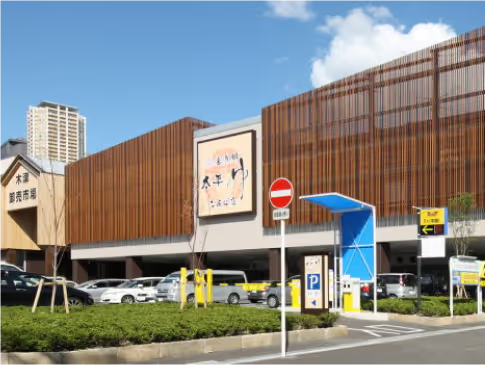
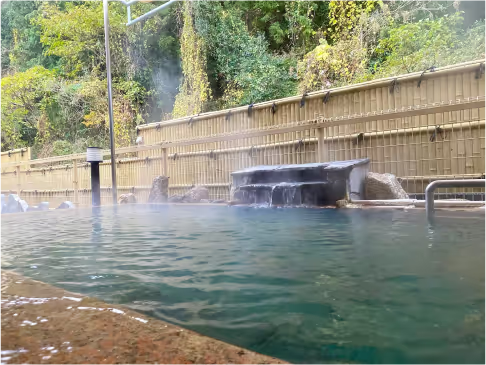
Empfehlenswerter Münzparkplatz mit heißer Quelle in der Nähe von Namba-Osaka:
Dotonbori besteht nicht nur aus Imbissständen, es gibt auch viele Geschäfte, in denen Sie einzigartige Kleidung, Souvenirs und sogar Gepäck einkaufen können!
Dotonbori ist ein sehr überfüllter Ort, das Parken Ihres Fahrzeugs an einem anderen Ort ist ein Muss.
Osaka hat noch viel mehr zu bieten als nur Dotonbori. Tagsüber können Sie Osaka erkunden. Sie können das Osaka Aquarium und die Universal Studios besuchen, wenn Sie noch ein Kind sind. Abeno Harukas, der Minoo Park, das Umeda Sky Building, der Kuromon-Markt und die Mozu-Gräber sind nur einige Orte, die Sie in Osaka besuchen können.
Empfehlenswerter Münzparkplatz mit heißer Quelle in der Nähe von Namba-Osaka:
Dōtonbori
Osaka Aquarium Kaiyukan ↗
Universal Studios Japan ↗
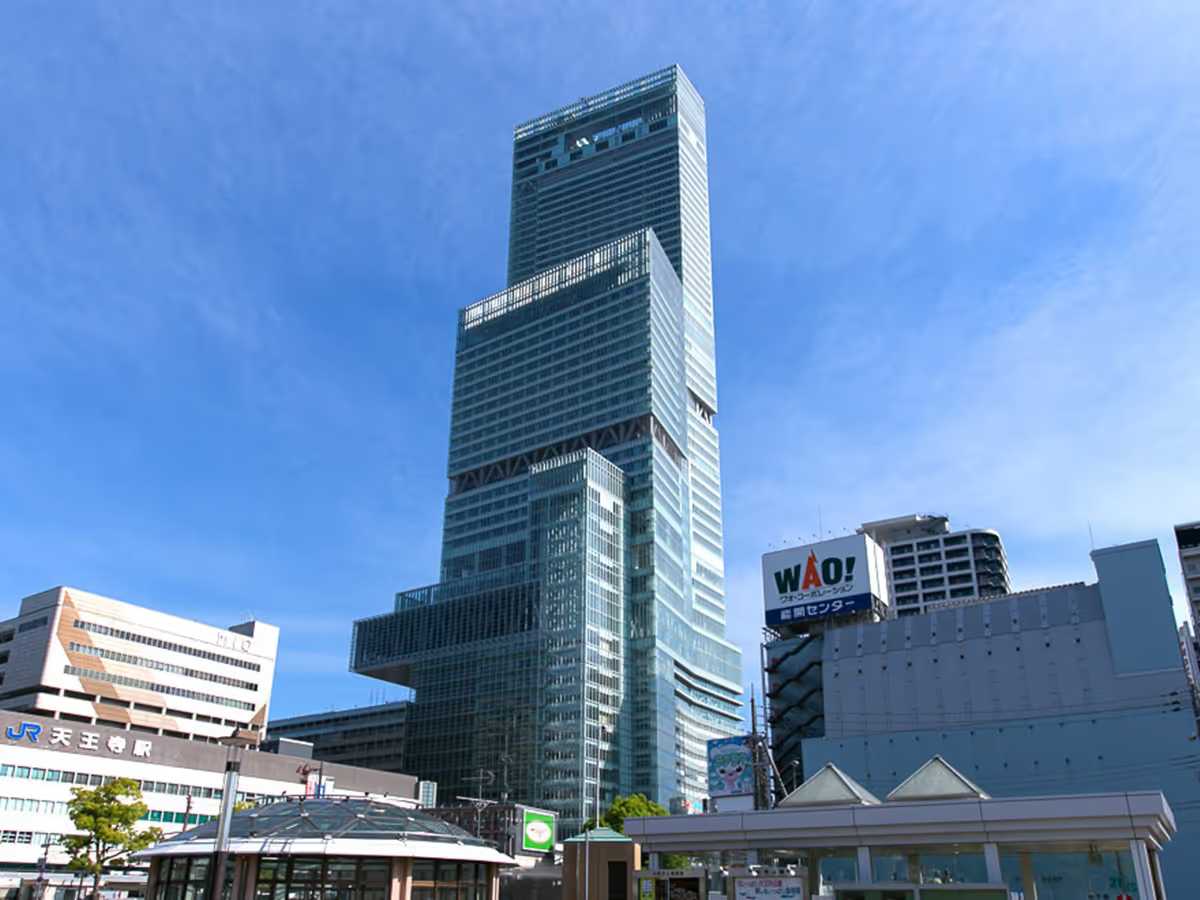
Abeno Harukas ↗
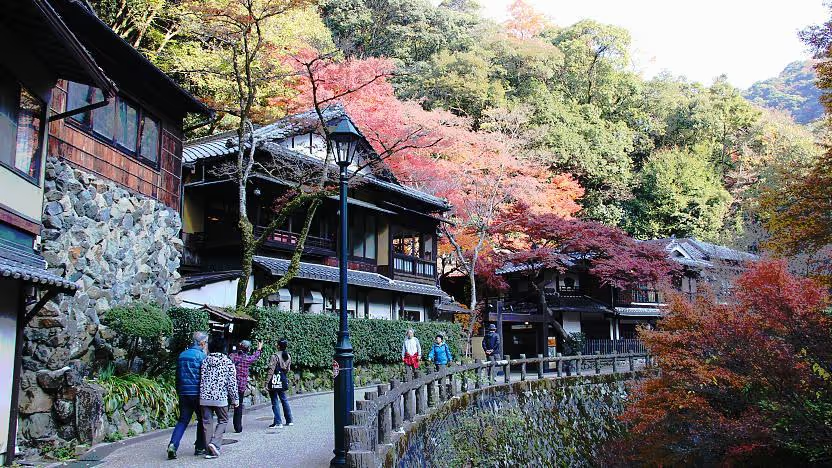
Minoo Park ↗
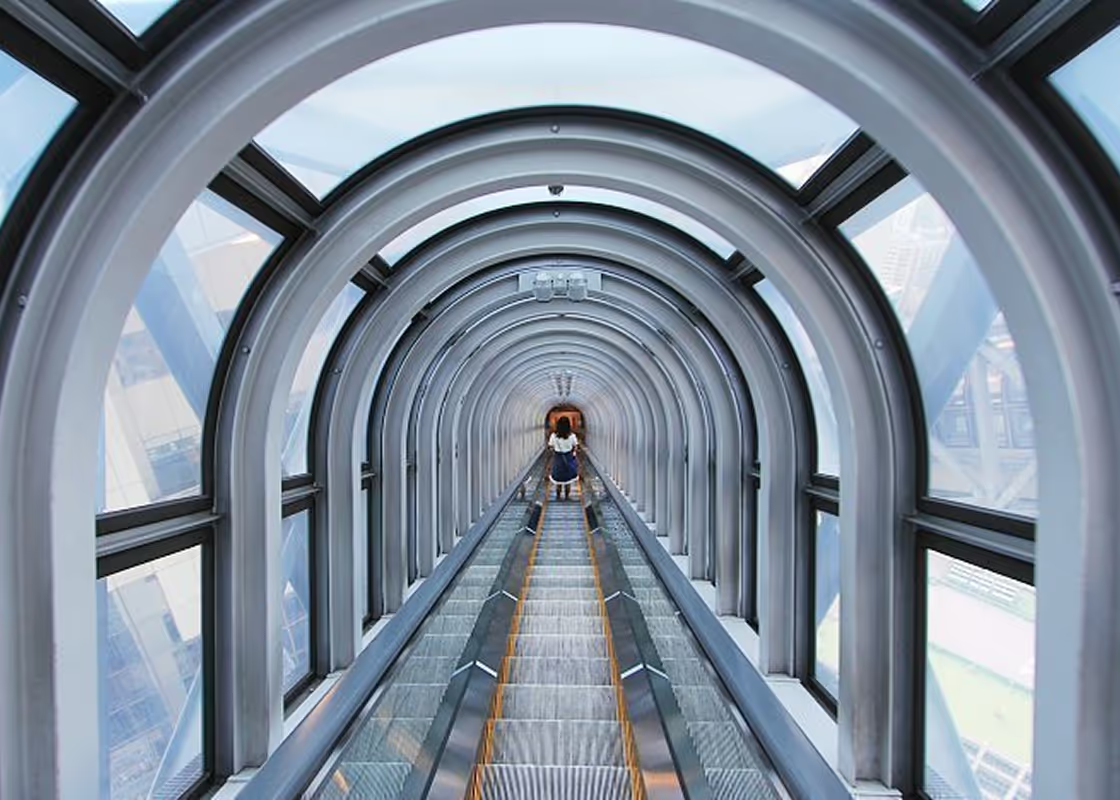
Himmelsgebäude von Umeda ↗
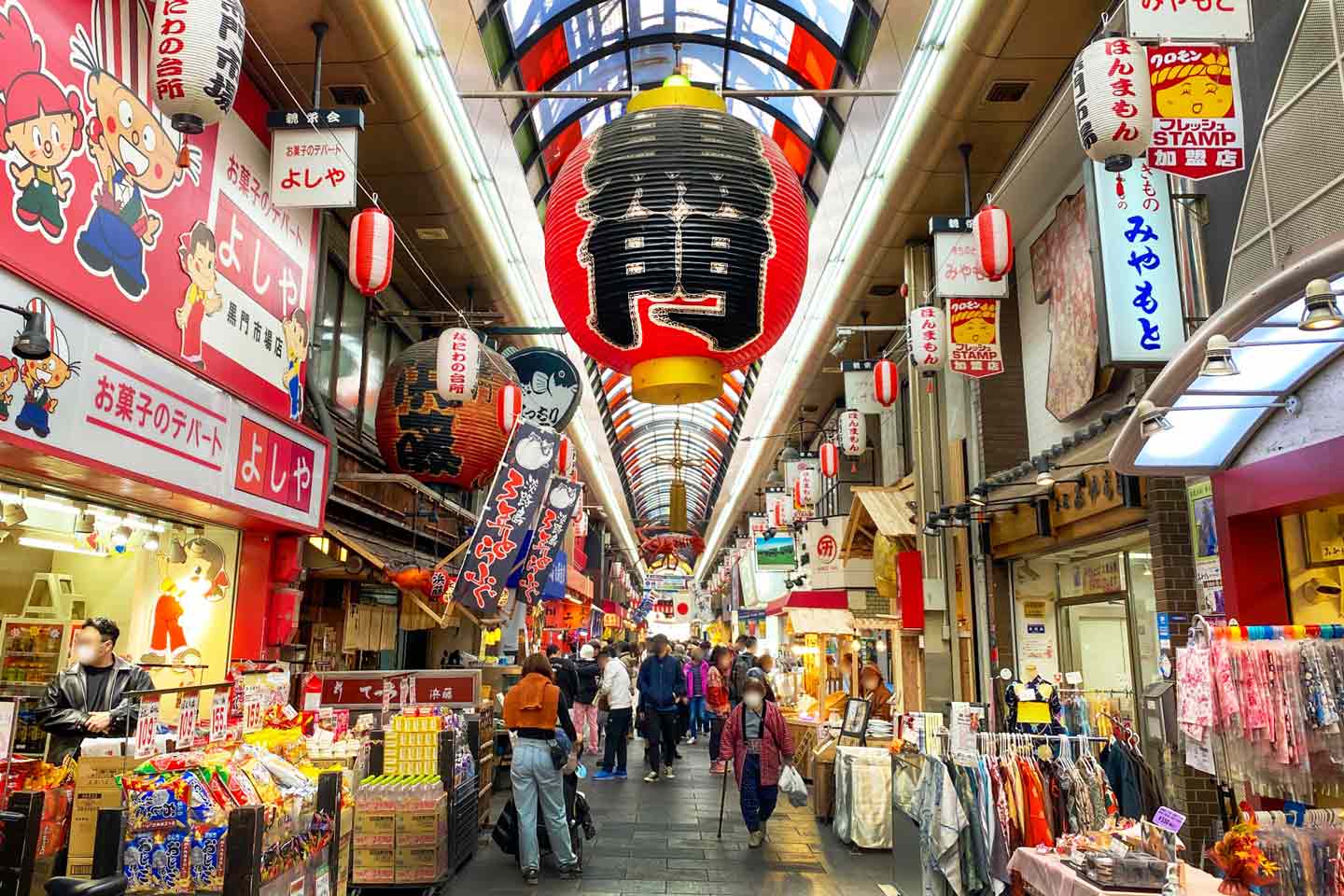
Kuromon-Markt
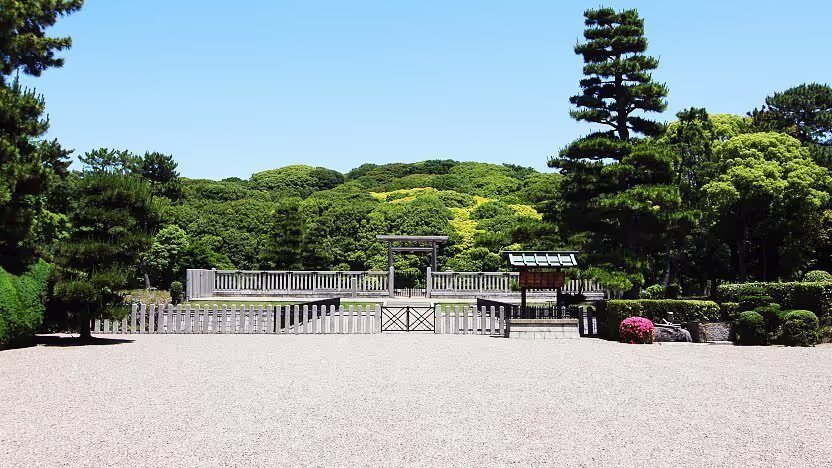
Mozu-Gräber ↗
Empfehlenswerter Münzparkplatz mit heißer Quelle in der Nähe von Namba-Osaka:
7. Tag
Für den letzten Tag kehren Sie bitte zu unserem Büro in Narita zurück. Osaka-Narita ist etwa 7-8 Autostunden entfernt, je nachdem, welche Straße Sie nehmen. Sie passieren Servicebereiche, in denen Sie sich ausruhen können.




.png)